Table Of Content
- Former HGTV star slapped with $10 million fine and jail time for real estate fraud
- What has caused low water levels in the Panama Canal?
- The EU's Red Sea Naval Mission is Getting Smaller
- US announces naval coalition to defend Red Sea shipping from Houthi attacks
- Cruisers are getting younger as Gen Z and Millennials take to the seas
- Teen pleads guilty to manslaughter over Uber driver's killing on Fraser Coast
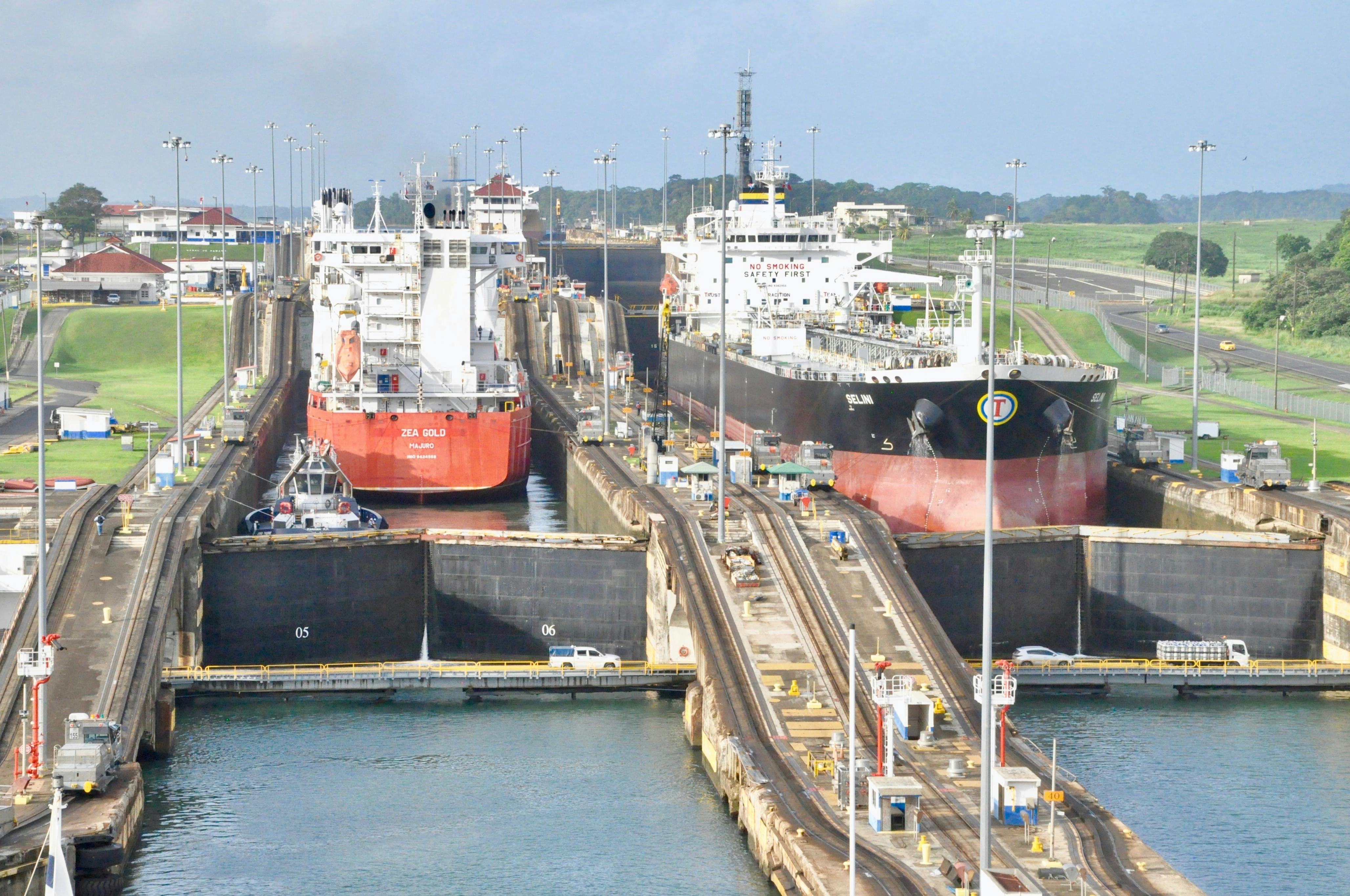
As of June 1, the former category will be increased to 8, while the latter will remain at 24, for a total of 32 vessels. The number of ships that can travel through the vital route has fallen sharply this year because of a lack of water for the locks, raising costs and slowing deliveries. Peter Sand, the chief analyst at the freight market analytics firm Xeneta, said disruption at the canal could push short-term shipping rates higher and “prompt shippers to alter their supply chains”. Should the canal bottleneck worsen, it’s likely other major grain exporters such as Brazil, Ukraine and Russia may step in to fill the gap for US products in Asia, Paglia said. Already, Brazilian grains have been more actively traded because of the canal’s increased restrictions, he said.
Former HGTV star slapped with $10 million fine and jail time for real estate fraud
The problems at the Panama Canal, an engineering marvel that opened in 1914 and handles an estimated 5 percent of seaborne trade, is the latest example of how crucial parts of global supply chains can suddenly seize up. In 2021, one of the largest container ships ever built got stuck for days in the Suez Canal, choking off trade. And the huge demand for goods like surgical masks, home appliances and garden equipment during the pandemic strained supply chains to their breaking point. Things are looking up for the drought-stricken Panama Canal as new water levels allow an increase in the daily number of ships allowed through the man-made interoceanic corridor.
What has caused low water levels in the Panama Canal?
He told French international news outlet France 24 that the El Niño climate pattern could worsen the situation further. The situation has become so dire that some shipping firms have paid millions of dollars to buy an earlier place in line. But any meaningful next steps will first need to contend with a standing law that prohibits the Panama Canal Authority from constructing reservoirs in watersheds beyond the one that feeds its existing lakes.
The EU's Red Sea Naval Mission is Getting Smaller
Nikolay Pargov, chief revenue officer for container shipping platform Transporeon, said container ship operators are already booking alternative routes to avoid the canal for 2024. The rigid routes of container ships – which for some shipping companies have thousands of customers to consider for each vessel – make it more difficult to re-route them at the last minute. Snell of British American said the clogged canal forced his company to stop shipping fresh-cut ferns from Seattle to Rotterdam’s flower markets. The business found work-arounds for other products from the US West Coast, hauling nuts and dried fruit from California to Houston or Norfolk, Virginia by rail, then transferring them to container ships bound for Europe.

The canal typically handles an estimated 5 percent of seaborne trade, including 46 percent of the container traffic between the East Coast of the United States and Northeast Asia. But last summer, the Panama Canal Authority began taking the drastic measure of reducing traffic. Hapag-Lloyd AG, Mediterranean Shipping Co. and Maersk all have announced new Panama-related surcharges in recent months.
Cruisers are getting younger as Gen Z and Millennials take to the seas
Reduced draft depths may necessitate modifications to Holland America Line’s fleet deployment strategy, impacting the availability of certain ships for Panama Canal crossings. Moreover, changes in transit schedules could affect planned shore excursions and port visits along the itinerary. Some of the largest containerships are being forced to offload boxes for transshipment by rail across the isthmus.
Best cruises from Southeast Asia from $462pp for five nights
The Panama Canal provides a short cut between the Atlantic and Pacific oceans for 6% of the world’s maritime commerce. The Panama Canal Authority (ACP), which allocates reservations, has slashed this number to 24. On December 1st it will go down to 22, and from February onwards only 18 ships will be able to cross each day. In late July, the state-owned ACP limited the number of vessels passing through the waterway each day to an average of 32, down from the usual 36. In previous droughts, weight restrictions were imposed because heavier boats risk running aground in the shallower water.
Panama City opens new cruise ship terminal to attract tourists amid Canal drought - Hindustan Times
Panama City opens new cruise ship terminal to attract tourists amid Canal drought.
Posted: Wed, 27 Mar 2024 07:00:00 GMT [source]
Panama Canal slashes the number of ships allowed through — drought means there isn't enough water in the channel
Low water level at Panama Canal could delay Christmas cheer for some - Fox News
Low water level at Panama Canal could delay Christmas cheer for some.
Posted: Sun, 24 Dec 2023 08:00:00 GMT [source]
Cruise ships pay a hefty surcharge for a reserved transit date and time, and the Canal Authorities are very willing to rake in this extra. Panama Canal Authority recently opened two more passage slots per day for ships that don't have have priority to pass, as container ship do, and this week the backlog had decreased since to 115 ships. Ship owners have the options of carrying less cargo, adding thousands of kilometres to their trips or grappling with queues that earlier this month backed up 160 vessels and delayed some ships by as much as 21 days. As many as 24 vessels will be permitted to pass through the system daily, up from 22 currently, the canal authority said in a statement Friday. The Panama Canal Authority further reduced the number of boats that can transit through the strategic waterway, which has been hit by an intense drought. Weather-related problems have been building at the canal for some time, prompting the ACP to pledge to save water during the rainy months, although it said that the economic impact was unavoidable.
Teen pleads guilty to manslaughter over Uber driver's killing on Fraser Coast
Last week, the ACP announced it had temporarily changed its reservation rules to permit more ships without a booking to travel through the canal. Panama’s population has quadrupled since the 1950s, and more than half the country relies on the canal’s reservoirs — Gatún Lake and the smaller Alajuela — for clean drinking water. Having read the whole article, it seems the cost rather that drought conditions has changes this particular itinerary on a Royal Caribbean ship. "Each time a ship goes through there, it uses up about 80 Olympic-sized swimming pools of water and that all comes out of the lake," maritime logistics expert from Deakin University Peter Van Duijn told ABC News.
Ships that usually crossed the canal in two-and-a-half days had to wait more than nine to make the journey, Insider previously reported. An expansion completed in 2016 added two new locks to accommodate significantly larger “neo-Panamax” ships, which are bigger, heavier and require deeper water to move through the corridor when fully laden. A previous Times investigation found that canal officials ignored warnings that they would need new sources of water in order for the expansion to succeed. “The fact that the Panama Canal operates on freshwater is a major disadvantage compared to other water routes,” said Ricaurte Vásquez Morales, the administrator of the Panama Canal Authority, in a video address last month.
The authority holds auctions whenever a ship with a reservation cancels, and slots this year have gone for as much as $4 million. A year ago, the average auction price was around $173,000, according to data from Waypoint Port Services. “It’s just astronomically out of control,” said Francisco Torné, one of the firm’s country managers for Panama.
Gatun Lake, which forms a key stretch of the canal system and provides fresh water for its locks, saw little rain this year, as El Niño triggered a withering drought. So the Panama Canal Authority has ratcheted back the number of ships allowed to pass, from an average of 36 to 38 per day in the past to an expected 18 in February, half the normal amount. The authority also reduced draft levels — how low a vessel can sit in the water — meaning some ships must carry less cargo. Even if the rains return on time next year, traffic congestion and draft restrictions will linger long into 2024. In 2023, Gatun Lake experienced water levels below seasonal norms due to insufficient rainfall.




No comments:
Post a Comment